
Soft tennis — tennis played with a soft ball
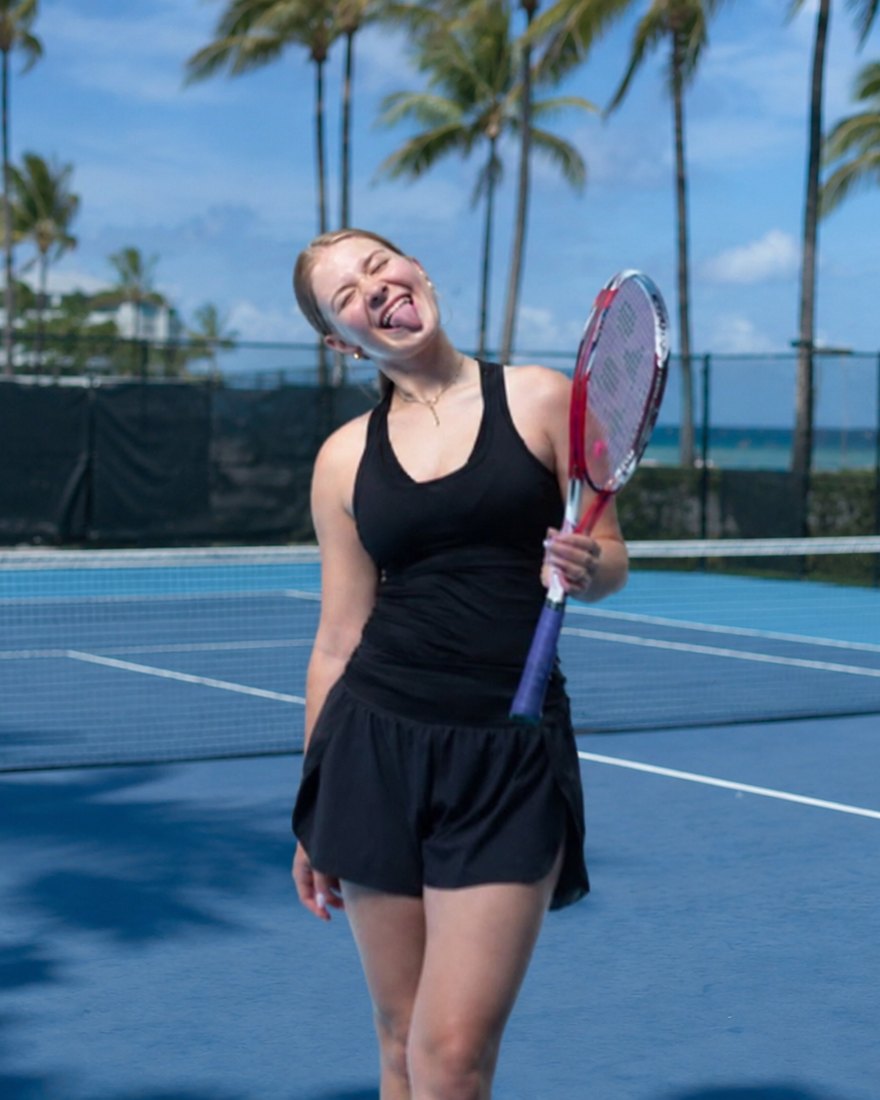
You play with a racket and a soft rubber ball that flies slower and bounces lower than a tennis ball. You get more time on every shot, so you'll rally in your first practice. Played tennis before? You'll pick it up right away. Just want to try? Buy a few balls and play with the racket you already own — though a soft tennis racket feels better.
- 1884
- Born in Japan
- 2004
- Reached Europe
- 30 g
- Ball weight
- 35
- Countries on 5 continents
- 6M
- Players in Japan
Japan, 1884
At the time, Japan had a shortage of tennis balls. They were expensive and hard to source, so players reached for a soft rubber ball. It played so well that a separate sport eventually grew out of it. Today around 40 percent of tennis in Japan is soft tennis, and all of Asia plays it: Korea, Taiwan, Thailand, the Philippines. It only reached Europe in 2004 and is still gaining ground here.
A sport with over 140 years of tradition
From late-19th-century Japanese schools, through the Asian Federation and the first World Championships, to its European debut in 2004. Below — the milestones of the sport.
- 1884
Born in Japan
Tennis reaches Japan thanks to Western missionaries. Tennis balls are expensive and hard to source, so players turn to a soft rubber ball. That's how soft tennis — jap. sofutotenisu — is born.
- 1950s
Asian Federation
Japan, South Korea and Taiwan set up the Asian Soft Tennis Federation. The Asian Championships have been held since 1956.
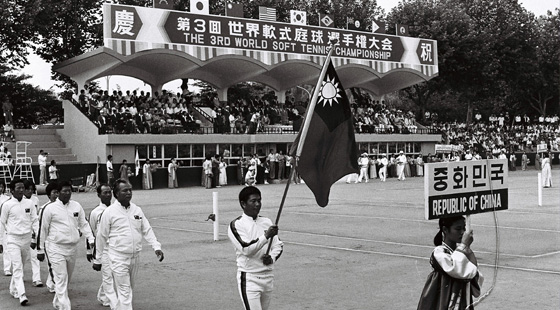
1952 · Photo: ISTF archive, softtennis-istf.com - 1973
ISTF is founded
The International Soft Tennis Federation (ISTF) is founded, based in Daegu, South Korea. It operates under IOC principles.
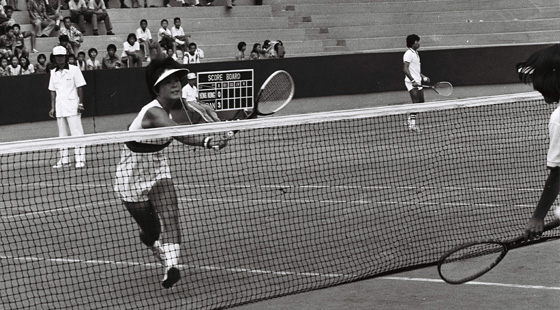
1972 · Photo: ISTF archive, softtennis-istf.com - 1970s
Beyond Asia
Federations spring up in Hawaii and Hong Kong. Players appear in Venezuela and Brazil.
- 1975
First world championships
The debut World Championships are held in Hawaii. Then every two years, and from 1991 every four years.
- 1990 / 1994
Asian Games
Beijing 1990 — as a demonstration sport. From Hiroshima 1994 soft tennis is an official Asian Games discipline to this day.
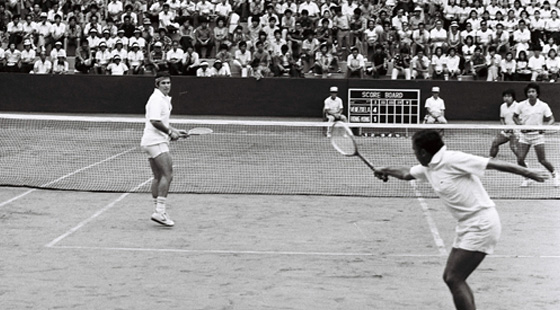
1982 · Photo: ISTF archive, softtennis-istf.com - 2004
European debut
The European Soft Tennis Federation is founded and the sport begins to grow on our continent.
- Today
35 countries, 5 continents
In Japan alone around 6 million people play. Soft tennis is present in about 35 countries on five continents.
Sources: International Soft Tennis Federation (softtennis-istf.com/history), Wikipedia.
It all starts with the ball
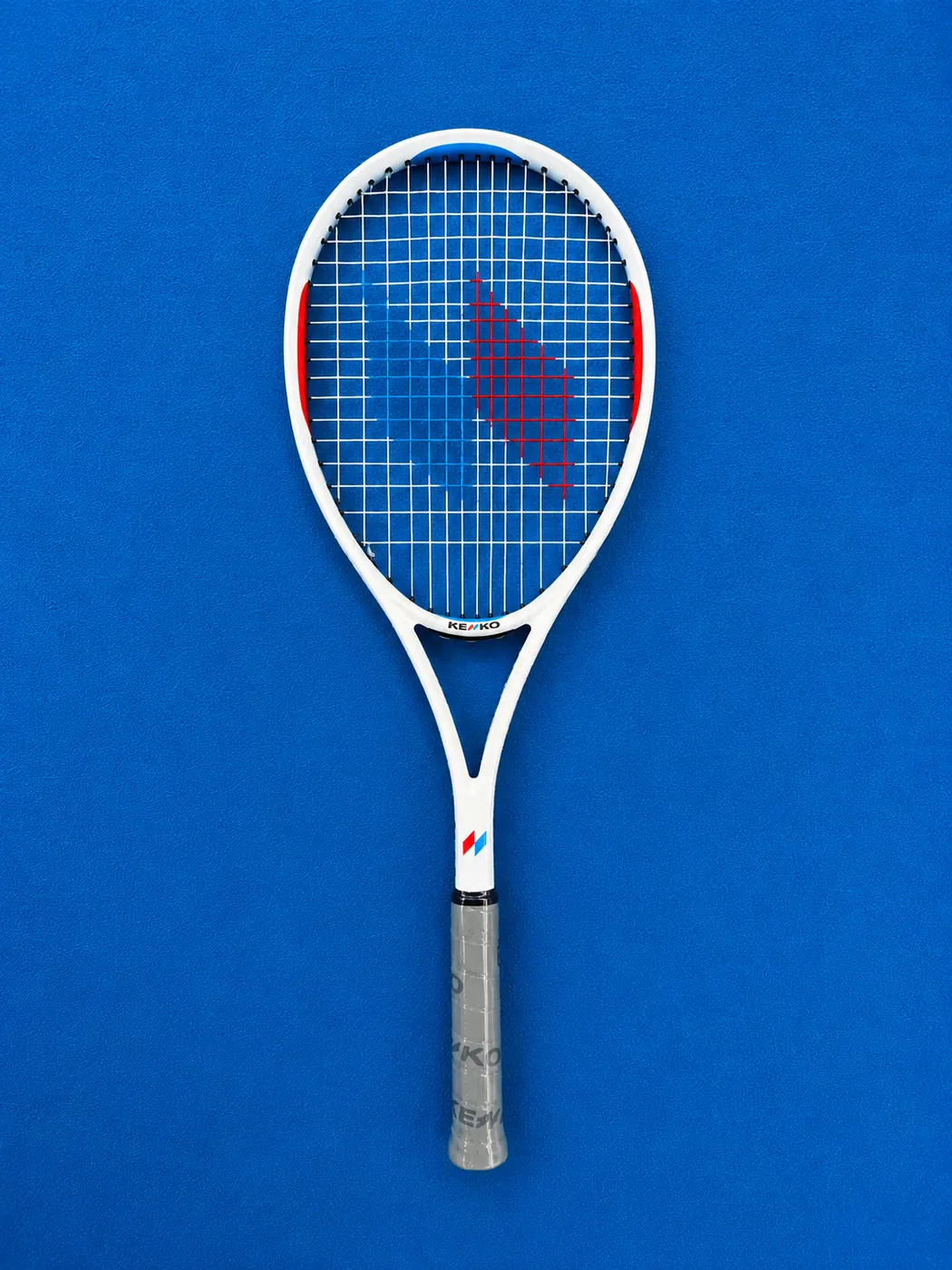
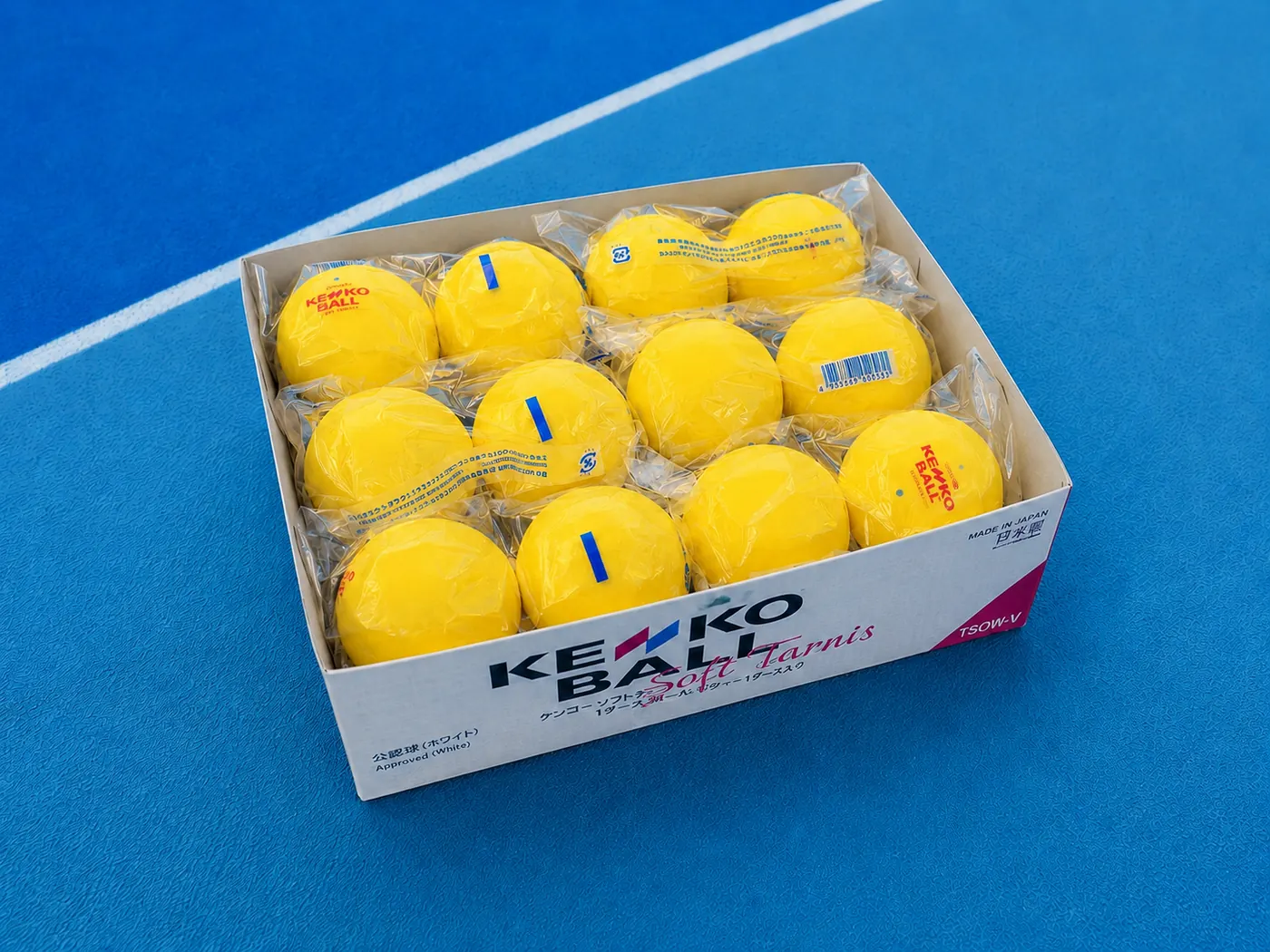
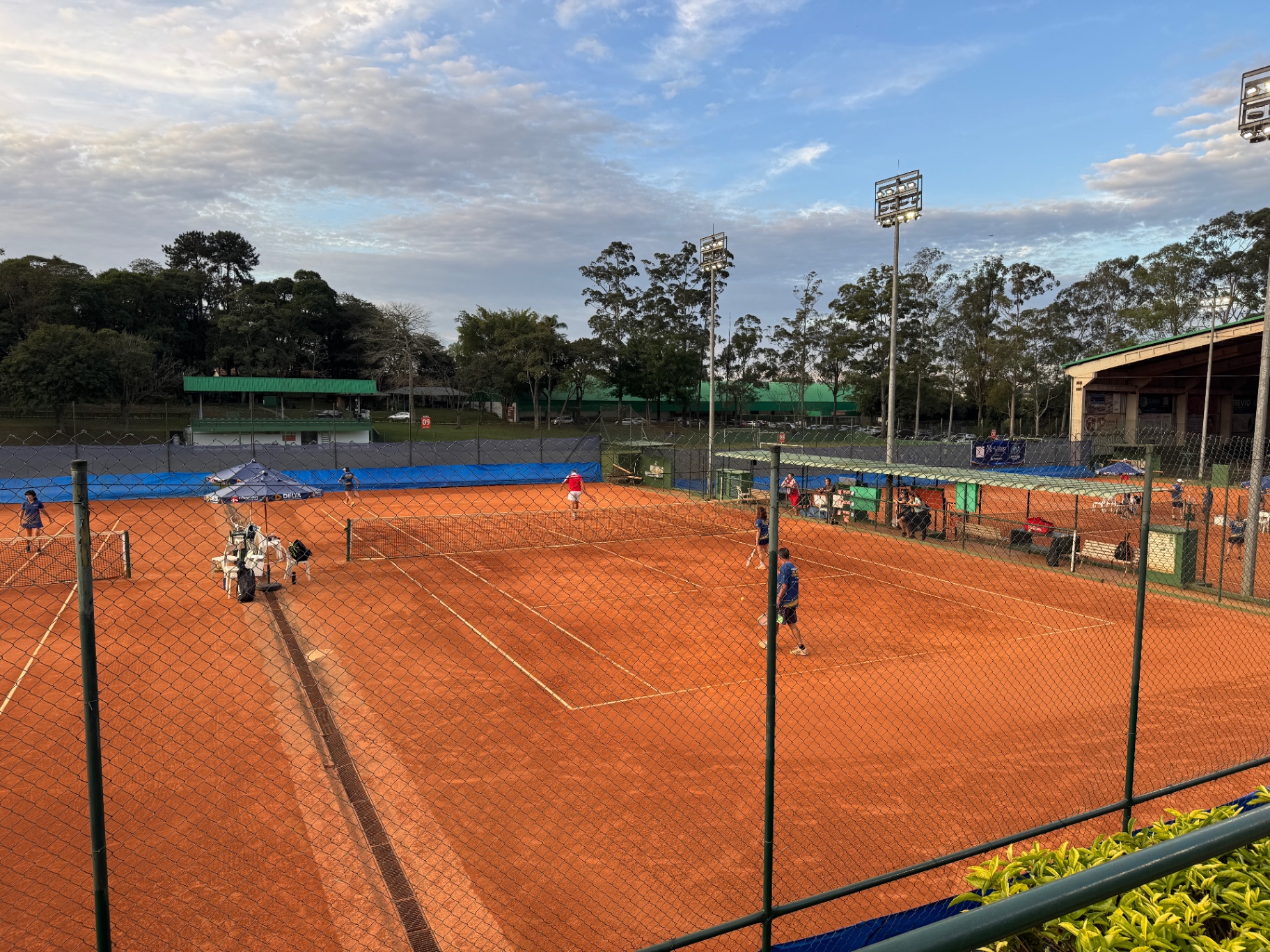
A tennis ball weighs around 57 grams and bounces hard off the court. A soft tennis ball has the same diameter but half the weight — around 30 grams — and is made of soft rubber. It flies slower and bounces lower, so you get an extra moment to set up your shot. That single difference drives the rest: rallies last longer, the racket is lighter, and the wrist and elbow take less load. The court and net stay the same, so you can play on any tennis court.
Ball comparison
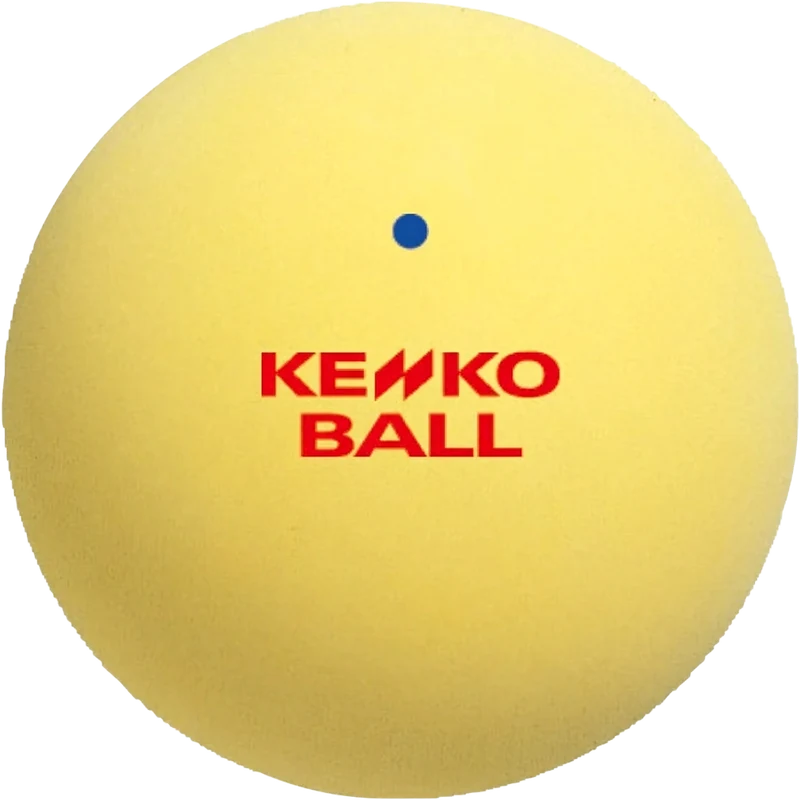
Soft tennis
about 30 g, rubber
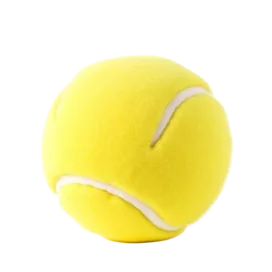
Tennis
about 57 g, felt
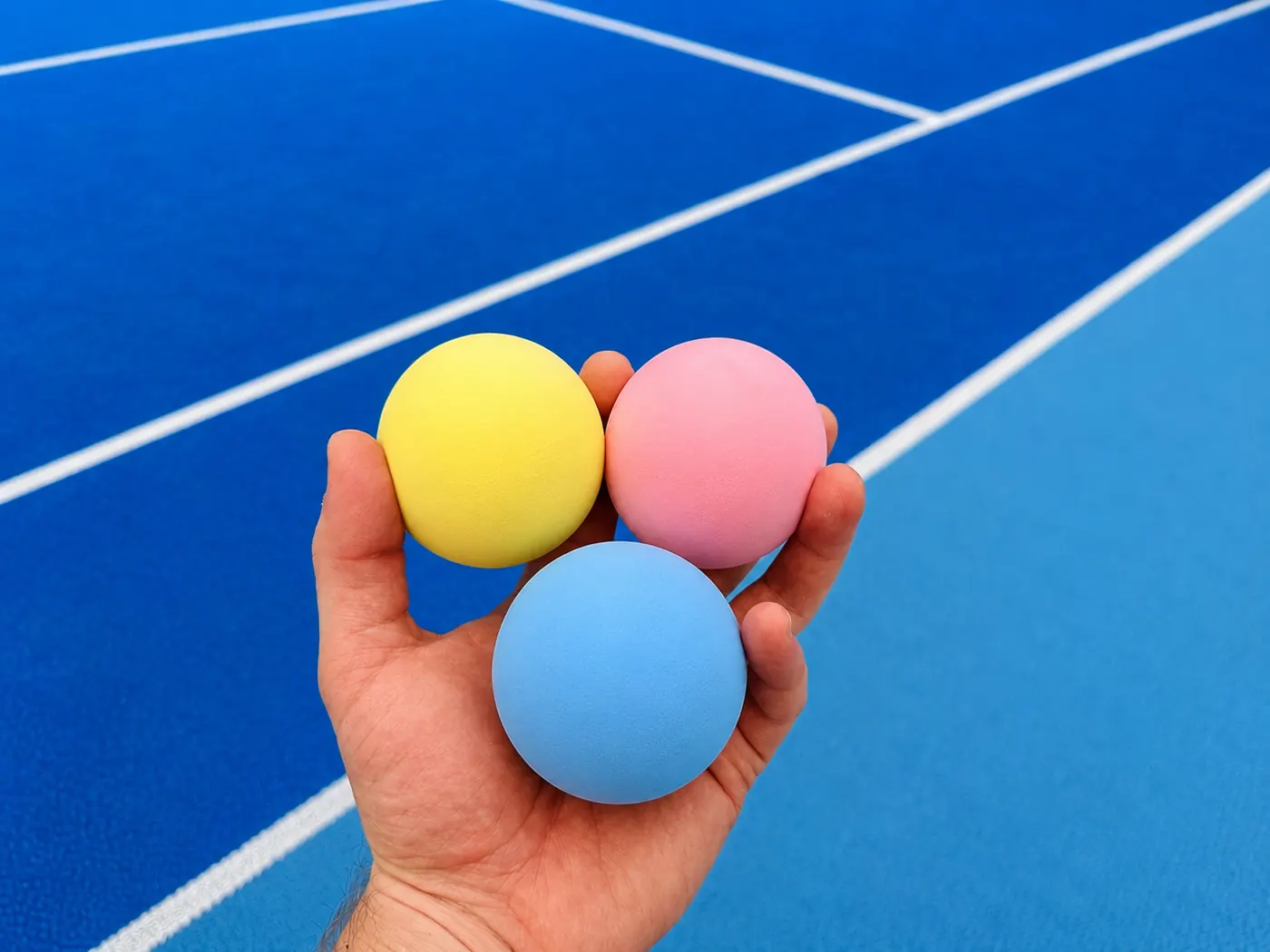
Balls come in colours too
The official ball colours are white and yellow; coloured balls are common in training.
A game for everyone, at any age
You don't need strength or years of training. The slower ball gives you time to set up, so you'll play cleanly from the start. The technique differs slightly from tennis: the grip is different and many players serve underhand with a slice. You'll pick that up in time — to get started, all you need is to step onto the court and play.
01
Kids
from age 6
A low barrier to entry and quick fun from the first rallies.
02
Adults
any level
Start from scratch or switch smoothly from tennis.
03
Seniors
easy on joints
Less strain on wrist and elbow — a game for the long run.
Three things and you're set
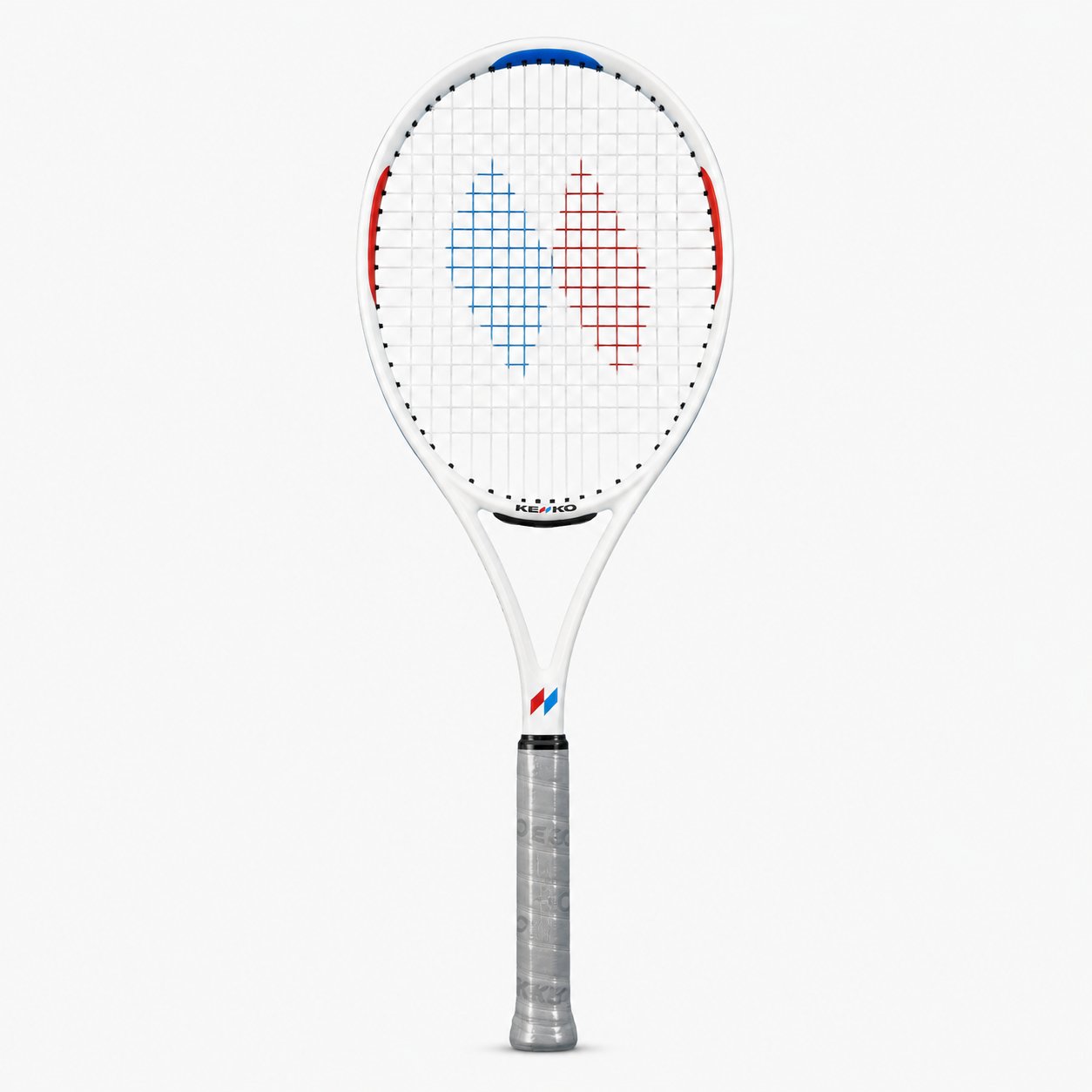
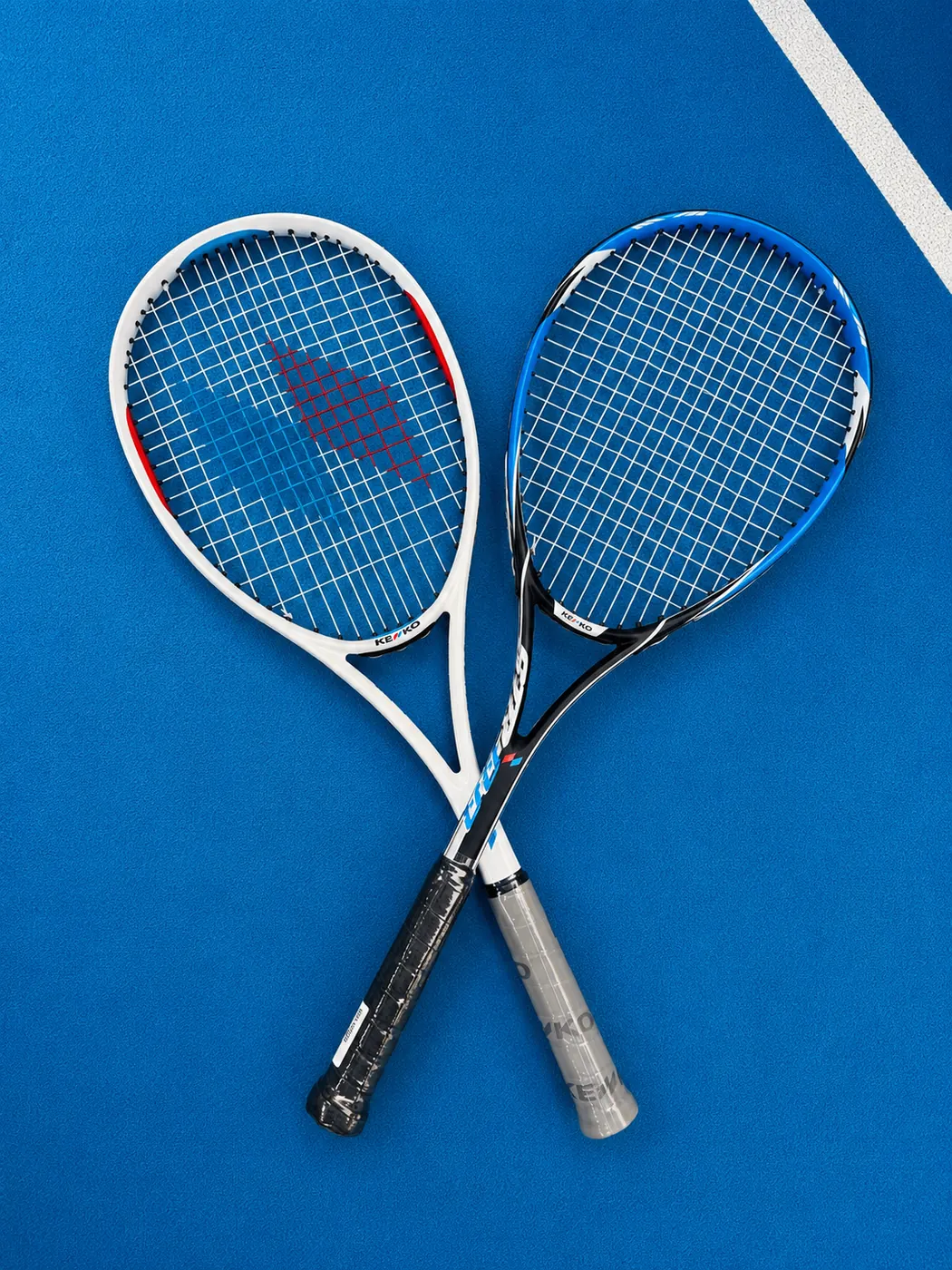
Keep it simple. Once you're hooked, you'll add the rest along the way. And if you just want to try, buy a few balls and use the racket you already own.
Want the full rulebook?
Scoring, serving, court dimensions and gear specs, gathered in one place and explained plainly.